Method comparison

DWC vs Soil for Small Cannabis Grows

DWC is usually the stronger fit for small cannabis grows when you want faster root-zone feedback, cleaner containment, and a room that tells the truth quickly. Soil is usually the stronger fit when you want more forgiveness, a slower pace, and a method that can absorb minor inconsistency without asking for reservoir-level discipline every day. In a compact grow, the real choice is not hydro versus tradition. It is tight control versus softer buffering.

That is why this question matters so much in cabinets and small tents. A big room can hide contradictions for a while. A compact room usually cannot. The method you choose decides how quickly the room shows its problems and how much mess, drift, or ambiguity you are willing to manage along the way.

DWC wins when You want cleaner containment, faster feedback, and you are willing to honor the checks that keep hydro readable.
Soil wins when You want more cushioning, less direct reservoir management, and a method that can move at a calmer daily rhythm.
Small-room rule The best method is the one that leaves fewer background questions in the room.
What it means

This comparison is really about how you want the room to communicate.

When people compare DWC and soil, they often act as if they are comparing plant quality in a vacuum. That misses the actual small-space question. In a compact grow, the method changes how the enclosure behaves, how the root zone gets read, how fast mistakes surface, how cleanup feels, and how much noise the room creates around every correction. The flower can be good either way. The workflow will not feel the same.

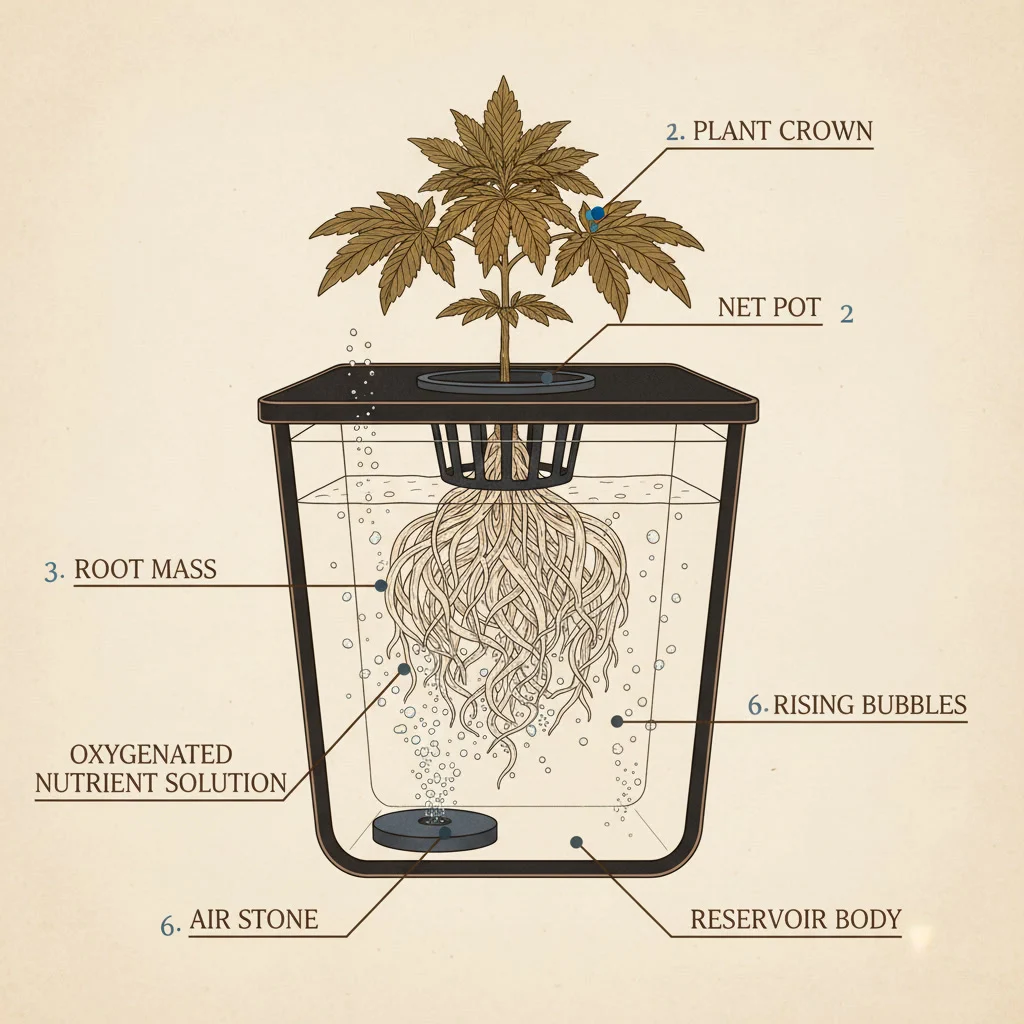
DWC compresses the root zone into a more visible, more technical system. Water, oxygen, pH, and EC become direct levers. That makes the room easier to inspect and harder to lie to yourself about. Soil wraps those same root questions inside a buffering medium. That can feel calmer, especially for beginners, but it also means some problems reveal themselves later and some mess is physically carried into a room that may already be tight.

This is why the page belongs next to indoor cannabis grow system and small space cannabis grow rather than living as a generic internet debate. In a cabinet or small tent, the method is part of the room design. It is not just a preference badge.
Fast read

DWC exposes drift sooner. Soil softens drift longer.

  • DWC is usually sharper and less forgiving.
  • Soil is usually softer and less direct.
  • Compact rooms reward the method you can interpret clearly.
  • The answer is about fit, not identity.
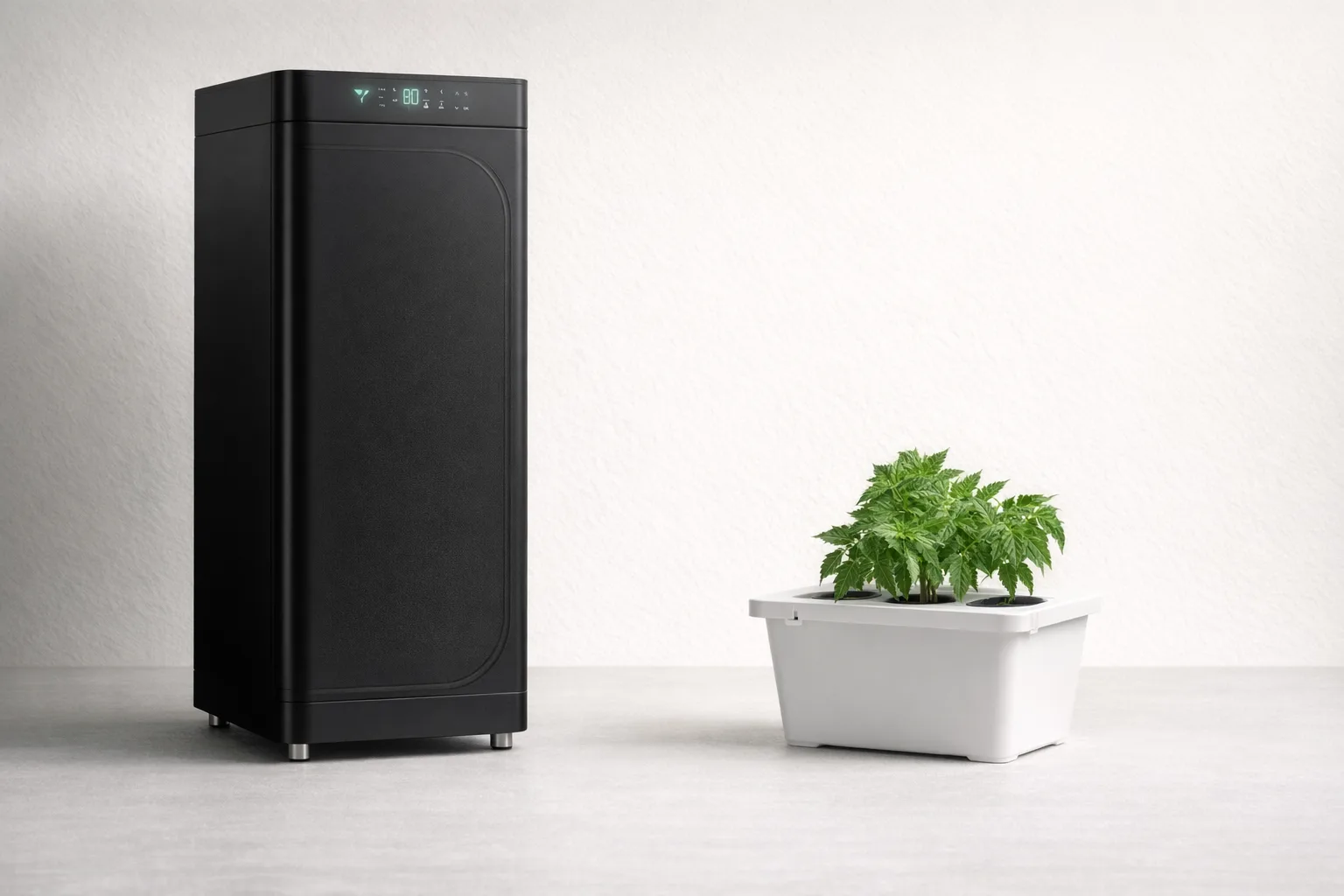
Side-by-side comparison board showing a compact DWC reservoir and a compact soil container setup inside a small cannabis grow workflow.
The method choice changes more than feeding style. It changes how the whole compact room behaves.
Why it matters in a compact grow

Small spaces magnify the strengths and weaknesses of both methods.

Compact rooms do not offer much slack. Heat, humidity, access, cleanup, airflow, and plant size all stay close together. That means the growing medium stops being a background choice and starts acting like a room-behavior choice. DWC often fits that environment well because it keeps the root zone contained and the daily readings explicit. Soil often fits when the grower needs a little more timing cushion, but it can feel physically larger and messier inside a footprint that is already asking for restraint.

The difference shows up in maintenance first. In DWC, the reservoir wants clean habits and direct monitoring. In soil, the container wants disciplined watering, sane runoff handling, and enough room for the medium to exist without swallowing the floor plan. Neither burden is impossible. They are just different burdens. A compact grow gets easier when the burden matches the operator rather than fighting them.

Humidity and cleanup also matter more than people admit. Soil can introduce more wet material, runoff, and handling mess into a small room. DWC can reduce some of that physical clutter, but then asks you to respect water temperature, aeration, and root-zone consistency. If the room already struggles with stale or wet air, pair this page with how to lower humidity in a small grow tent or humidity problems in a grow cabinet before you assume the method alone is the fix.

Comparison chart showing feedback speed, forgiveness, cleanup, and room discipline differences between DWC and soil in small spaces.
In compact rooms, the useful comparison is not which method is cooler. It is which method produces fewer invisible problems.
Decision layer

Use your room and your habits to answer the comparison.

Question DWC usually fits better Soil usually fits better
How fast do you want feedback? You want the room to show changes quickly so corrections happen early. You prefer a slower rhythm that can smooth out minor inconsistency.
How readable does the root zone need to be? You want direct reservoir signals and are comfortable interpreting them. You do not mind reading the plant and medium more indirectly.
How much mess can the room tolerate? You want a contained system with less loose medium around the room. You are fine managing runoff, soil handling, and a slightly messier footprint.
How much technical discipline feels realistic? You can stay consistent with pH, EC, water behavior, and regular checks. You want fewer live variables and more room for an imperfect daily cadence.
What does the enclosure want? A cabinet or tightly contained workflow often lines up neatly with DWC. A looser tent workflow can sometimes feel more comfortable with soil.

That table is more useful than yield fantasy. Small rooms do not need the method with the loudest promise. They need the method that creates the clearest next decision. If the room feels like it is constantly hiding something, the method is probably misaligned with the space or the operator.

Where DWC or VGrow fits

The flagship ColaXpress lane leans DWC because compact systems benefit from exposed logic.

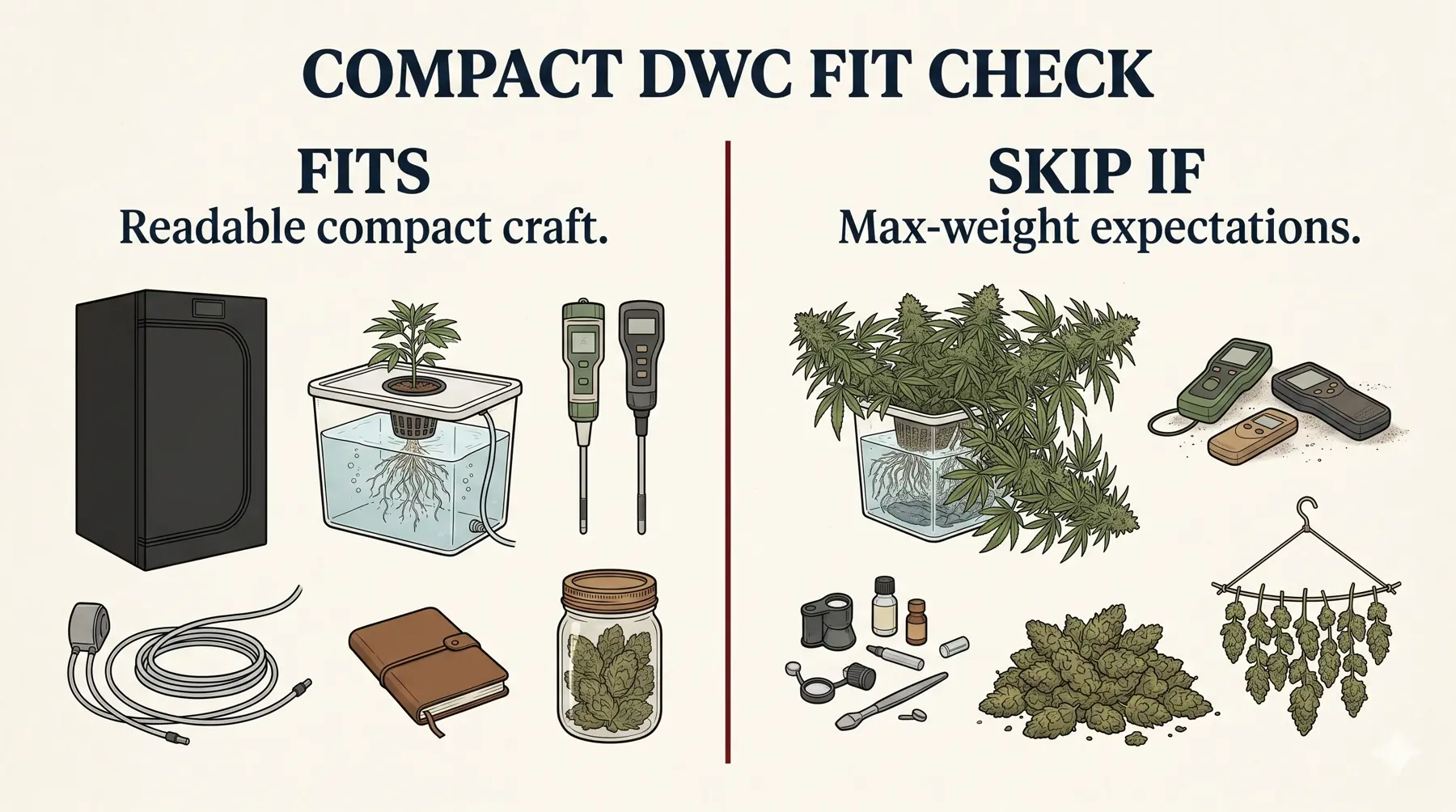
ColaXpress keeps leaning toward DWC in small spaces for the same reason it leans toward cabinets, disciplined finish work, and method choices like 12/12 from seed. A compact room gets easier when the environment, the root zone, and the daily checks all belong to one contained workflow. DWC fits that logic well because it makes the reservoir a visible part of the system instead of a hidden assumption.

That does not make soil wrong. It means soil is usually the better answer when the grower wants more pace tolerance than the flagship lane expects. If the room already feels mentally overloaded, a buffered method can be a better fit even if it is less aligned with the most contained version of the ColaXpress stack. If the room feels manageable and the grower wants tighter control, the VGrow DWC guide, what is DWC, and root problems in DWC form a cleaner next cluster than trying to improvise a hybrid answer.

The craft reason behind that preference lives on craft cannabis cultivation. Compact craft systems do better when fewer parts of the room are ambiguous. DWC supports that when the grower is ready for its level of honesty.

Compact VGrow-style cabinet fit-check board showing why a contained DWC workflow can suit a small-space cannabis grow.
DWC fits compact cabinets best when the grower wants a contained workflow and is willing to maintain it with care.
Common mistake

The biggest mistake is choosing a method for identity instead of room fit.

Some growers choose DWC because it sounds faster, more advanced, or more serious. Others choose soil because it sounds natural, forgiving, or less technical. In a small room, both identity moves can backfire. DWC becomes miserable if the grower resents the checks that keep it readable. Soil becomes frustrating if the grower expects cabinet-level tidiness from a looser, wetter, more physical medium.

The second mistake is expecting the medium to solve contradictions outside the medium. An oversized canopy, weak airflow, poor finish planning, or inconsistent daily access will still create problems whether the roots are in water or soil. The method can change how the problem shows up. It rarely erases the problem itself.

What to avoid
  • Choosing DWC for speed while avoiding the monitoring that makes hydro work.
  • Choosing soil for comfort while ignoring the extra cleanup and room clutter it can create.
  • Switching methods because one rough run hurt your confidence instead of reading what the room was actually saying.
  • Comparing hype terms instead of comparing access, maintenance, and finish quality.
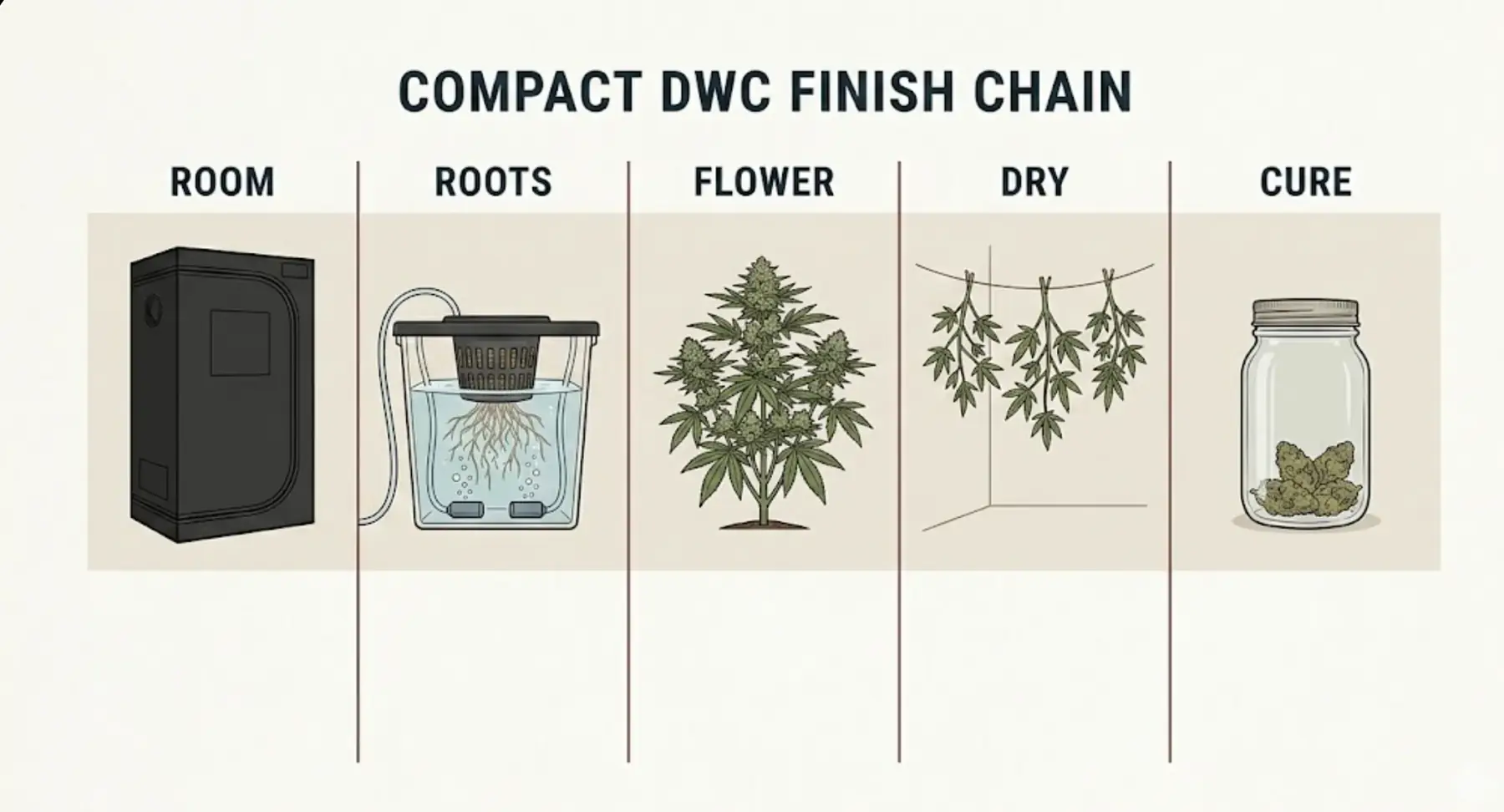
  • Forgetting that the best method is the one that still protects drying and curing at the end.
Compact workflow board showing how method choice affects cleanup, access, and the path from active growth into harvest, drying, and cure.
Method choice is not finished at harvest. It influences cleanup, handling, and how calmly the room can move into the finish stages.
Practical takeaway

Pick the method that makes the room quieter to interpret.

If you want the sharpest contained workflow and you can stay consistent with reservoir care, choose DWC. If you want more buffering and a calmer pace, choose soil. Then keep the canopy, enclosure, and finish plan honest enough that the medium is supporting the room instead of fighting it.

01 Read the room first

Choose the method based on access, cleanup, humidity behavior, and how much daily discipline is realistic in your space.

02 Match the enclosure

Contained cabinets often lean toward DWC. Looser small-room setups may feel better with soil if the clutter stays manageable.

03 Match the operator

DWC rewards consistency. Soil rewards patience. Neither one rewards denial.

04 Protect the finish

The right method still has to support a calm path into harvest, drying, jars, and cure.

If you still need the shortest next step, start with DWC for beginners if hydro sounds right, or use the setup checklist and cannabis grow questions if the comparison is still tangled inside a bigger setup problem.

FAQ

Questions people usually mean when they search this phrase.

Is DWC better than soil for a small grow?

Usually only if you want faster feedback, tighter containment, and you are willing to stay consistent with the reservoir. If you want more cushioning and a slower rhythm, soil may be the better fit.

Is soil easier for beginners in a compact room?

Soil can feel easier because it buffers some mistakes, but it can also make the room physically messier and less direct to read. Easier depends on what kind of difficulty you tolerate better.

Why does ColaXpress lean toward DWC?

Because compact craft systems often benefit from clearer root-zone visibility, tighter containment, and a more unified workflow. That is why DWC lines up so naturally with the flagship cabinet path.

Does DWC always grow faster than soil?

DWC often produces faster-looking feedback and growth response, but speed only helps when the room and the grower can keep up with it. Faster does not automatically mean better if the room becomes harder to manage.

What should I read next if I still cannot decide?

Read DWC basics for beginners, then compare that with compact craft cannabis grow and the VGrow DWC guide. If the issue is bigger than the medium, use FAQ or the main grow system page.